
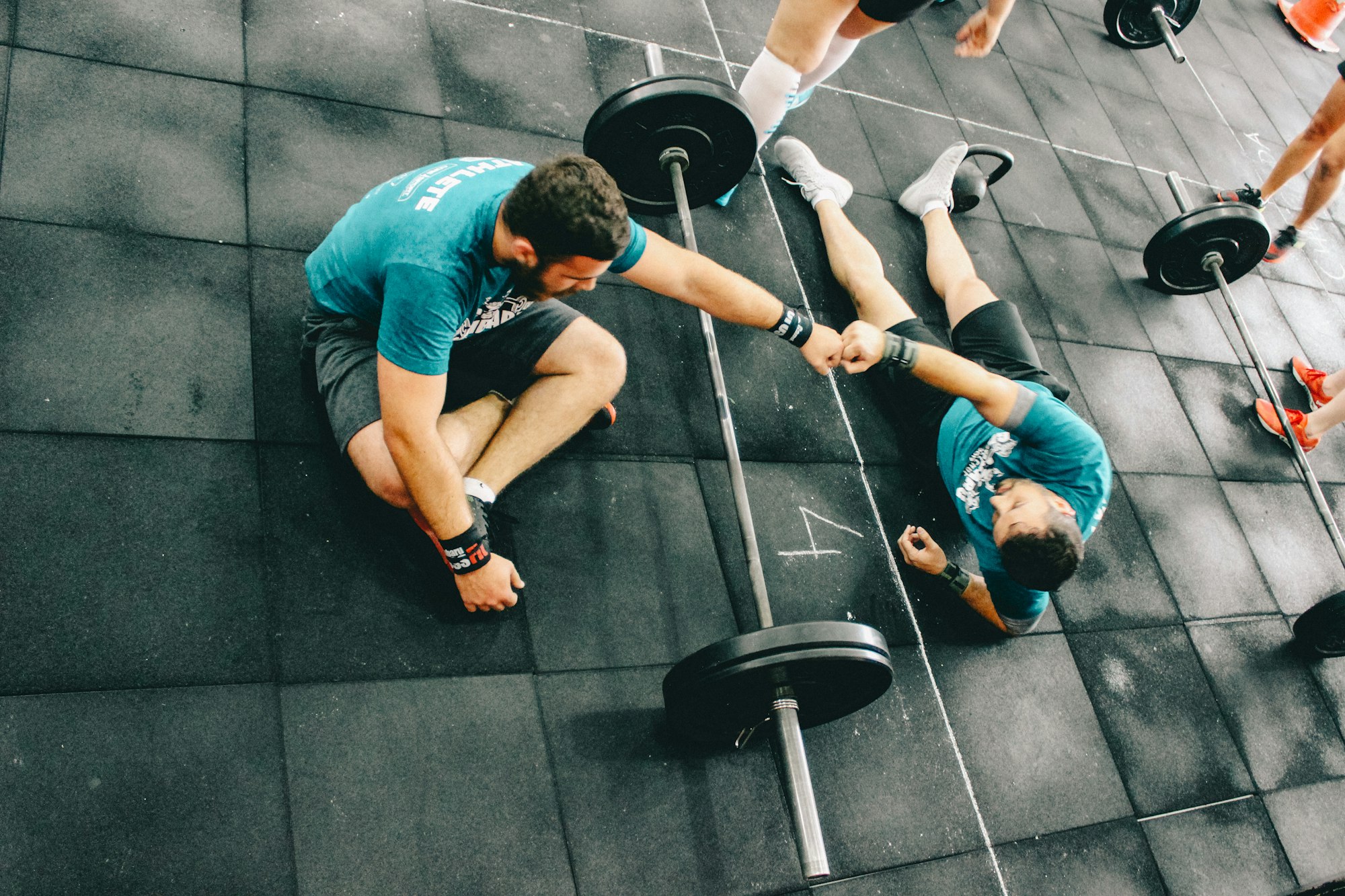
If you're an NDIS participant looking to get active, eat healthier or improve your mobility, "Improved Health & Wellbeing" may be exactly what you need.
This Capacity Building support is all about helping people like you to live a happier, healthier and more independent life. It's also 1 of the 5 support categories that you can use to access Like Family's disability support services.
The Improved Health & Wellbeing category provides access to qualified allied health professionals, including exercise physiologists, personal trainers, and dietitians, who work specifically with people with disabilities. These NDIS-registered professionals will help you develop the skills and knowledge needed to maintain and improve your physical and mental health independently.
In this article, we'll explain what Improved Health & Wellbeing is all about, what activities it can and can't cover, who the qualified professionals are that can help you, and how to check if it's included in your NDIS plan.
What is Improved Health & Wellbeing under the NDIS?
As the name suggests, Improved Health & Wellbeing funds the disability services or supports you need to boost your physical and mental health. For some people, this may involve learning to prepare healthier meals. For others, it may mean working with an NDIS-registered exercise physiologist to increase mobility and flexibility or building strength and endurance with a personal trainer.
As this is a Capacity Building support, it's important that whatever supports you choose for Improved Health & Wellbeing help you achieve long-term goals and greater independence. The focus is on building your capacity to manage your health and wellbeing needs with less reliance on formal supports over time.
Who are the qualified professionals that can help you?
Exercise physiologists
Exercise physiologists specialise in designing safe, evidence-based exercise programs for people with disabilities. To provide NDIS services, they must complete a four-year undergraduate degree in exercise science and physiology, and be accredited with Exercise and Sports Science Australia.
Exercise physiologists can help with:
- Assessing your physical abilities and movement patterns
- Creating personalised exercise programs for your specific disability
- Teaching you safe exercise techniques
- Improving balance, coordination, and mobility
- Managing muscle weakness or spasticity
- Developing strength and endurance programs
Personal trainers
NDIS-qualified personal trainers hold specialised certifications and training to work with people with disabilities. They must have a Level III or IV certificate in Fitness, or a Diploma in exercise science or human movement.
Personal trainers can provide:
- Customised fitness programs adapted to your needs
- Motivation and support to reach your fitness goals
- Safe exercise instruction in various environments
- Group or individual training sessions
- Support for participation in recreational activities
Dietitians
Dietitians specialise in understanding nutrition and its relationship to health and disability. They must complete a recognised university degree in dietetics and be accredited with Dietitians Australia.
Dietitians can help you with:
- Nutritional assessments and meal planning
- Managing diet-related health conditions
- Addressing swallowing or chewing difficulties
- Weight management programs
- Food allergy management
- Healthy meal preparation skills
Who can benefit from Improved Health & Wellbeing funding?
This support category can help people with a wide range of disabilities and conditions, including:
Physical disabilities
- Spinal cord injuries
- Cerebral palsy
- Muscular dystrophy
- Amputations
- Physical and sensory impairments
Neurological conditions
- Multiple sclerosis
- Parkinson's disease
- Acquired or traumatic brain injuries
- Stroke recovery
Chronic health conditions
- Diabetes
- Heart disease
- Chronic pain conditions
- Fibromyalgia
- Chronic fatigue syndrome
Mental health and developmental conditions
- Mental health conditions
- Autism spectrum disorder
- Intellectual disabilities
- Developmental delays
What are some examples of Improved Health & Wellbeing supports?

How you choose to use your Improved Health & Wellbeing funding will depend on what is considered reasonable and necessary to support your goals. Here are some examples!
- A consultation with a dietitian. If developing a healthier diet is one of your goals, an NDIS-registered dietitian can help you put together an appropriate, nutritional meal plan tailored to your specific disability-related needs. They can also help with meal preparation skills, managing food allergies, or addressing swallowing difficulties. Note: you can only access funding for a dietitian if the supports you need are directly related to your disability.
- Personal training sessions. NDIS-registered personal trainers can help improve your mobility and overall health through sports and recreational activities that best suit your needs. This could take place at home, at a local gym, in community centres, or through Telehealth sessions. Services can be delivered individually or in small groups..
- A session with an exercise physiologist. These are allied health professionals who typically focus on helping people with chronic conditions and injuries. They may create personalised exercise programs to build your capacity to do daily activities and move about independently, assess your movement patterns, provide injury rehabilitation, and teach you techniques for managing pain or muscle weakness.
- A helping hand from a support worker. NDIS support workers can help you with a range of health and wellbeing activities, like assistance with meal preparation or accessing a gym. Note: you may use funding from a different NDIS support category to pay for a support worker.
Where can you access these services?
Improved Health & Wellbeing supports can be delivered in various settings to suit your needs and preferences:
- Your home - for privacy and convenience
- Community centres - in familiar local environments
- Fitness facilities - with specialised equipment
- Clinical settings - for assessment and treatment
- Telehealth - for remote consultations and guidance
- Outdoor environments - for recreational activities
What does this support category not cover?
There are a few things that you cannot use your Improved Health & Wellbeing NDIS funding for. These are typically day-to-day expenses that aren't related to your disability, don't provide value for money, or will not contribute towards your goals.
- Food. You can use your funding to pay for a consultation with a dietitian, but not for the healthy ingredients themselves. That's because food is seen as an everyday expense.
- Gym memberships. This is considered an everyday cost that would have to be paid for regardless of whether you have a disability or not. However, you may be able to use your funding for an NDIS personal trainer who can work with you at a gym or fitness facility.
- Private swimming lessons. The NDIS states that you cannot use your funding for private swimming lessons as it's not considered value for money and could be provided by your informal supports.
- General wellness products - Items like supplements, fitness equipment, or wellness apps are considered everyday expenses and aren't covered.
If you have any questions about your NDIS plan and what it can be used for, talk to your Support Coordinator or Local Area Coordinator.
How can I check if Improved Health & Wellbeing is covered by my NDIS plan?
Not sure if Improved Health & Wellbeing is included in your plan?
Just head to the myplace portal and search for ‘Improved Health & Wellbeing’ or 'CB Health and Wellbeing' in your plan, or talk to your NDIS plan manager (if you have one).
Improve your health and wellbeing with Like Family
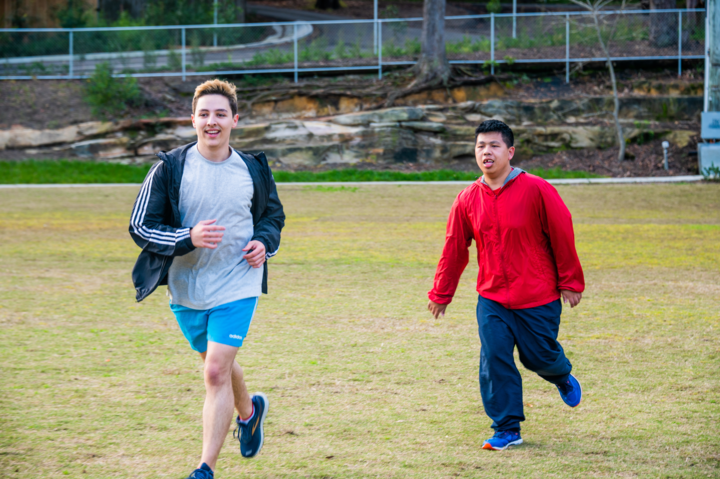
Thinking about hiring a support worker to help you get active and boost your wellbeing? We can help!
Like Family is an NDIS registered provider specialising in social and community support. We have a network of over 3,000 active, NDIS-verified support workers who are passionate about empowering people of all abilities to live a healthy, happy life. They may help you to learn a new sport, prepare healthy meals, or get you to and from the gym.
You can use your Improved Health & Wellbeing funding to access our support services, in addition to 4 other NDIS support categories. Find out how you can use your funding with Like Family.
If you'd like to learn more, head to our website or contact our friendly Customer Care team at hello@likefamily.com.au today!
Frequently Asked Questions
Can I use telehealth for these services?
Yes, many NDIS-registered exercise physiologists, personal trainers, and dietitians offer telehealth consultations, making services more accessible.
How often can I see these professionals?
The frequency depends on your individual plan and goals. Your provider will work with you to determine the right schedule.
Do I need a referral from my doctor?
You don't typically need a medical referral, but having one can help your NDIS-registered professional better understand your health needs.
Can I choose my own provider?
Yes, you have the choice and control to select your preferred NDIS-registered exercise physiologist, personal trainer, or dietitian.