

Whether you're autistic, or have a physical, neurological, intellectual or psychosocial disability, everyday life can take more time, energy and planning than people realise. Getting ready in the morning, keeping on top of the house, preparing meals, managing medication or getting to appointments can all need a hand. That's what NDIS Assistance with Daily Life (ADL) funding is for.
In this guide, we'll cover what ADL includes, how it works alongside your therapy supports, and how Like Family can help, whatever your support needs.
What is Assistance with Daily Life (ADL)?
Your NDIS plan is split into three budgets:
- Core Supports: help with everyday life. The most flexible of the three.
- Capacity Building: building skills and independence, usually through therapists like OTs and physios.
- Capital: bigger items like equipment and home modifications.
Assistance with Daily Life sits within Core Supports. It funds a support worker to help with, or supervise, tasks you can't safely or easily do on your own because of your disability.
A simple way to think about it: ADL is help with the task today, while Capacity Building builds your skills for tomorrow. Most people use both, and they work best together.
Who uses ADL funding?
ADL supports people with all kinds of disabilities, and no two people use it the same way. A few examples:
- Autism: help building and keeping a daily routine, preparing meals, managing household tasks, or having someone familiar come along to appointments and the shops.
- Psychosocial disability: practical support to keep the home running on harder days.
- Physical and neurological disability (spinal cord injury, cerebral palsy, MS, acquired brain injury, stroke, motor neurone disease): more hands-on personal care, like help with showering, dressing and transfers. Some needs stay steady; others, like MS or MND, can change over time, and good support adapts with them.
- Intellectual disability: many adults with intellectual disability live with parents who've been their main support for decades. The right support worker can take some of that load off, help build confidence and routine, and make planning for the future feel less daunting.

What does ADL cover?
What's included in your plan depends on what the NDIA decides is reasonable and necessary for you.
Personal care
- Showering and personal hygiene
- Dressing and grooming
- Toileting and continence care
- Eating and drinking
- Medication support
- Mobility and transfers (moving safely between bed, chair or wheelchair)
Help around the home
- Cleaning and laundry
- Meal preparation and cooking
- Basic yard work and gardening
Getting out and about
- A support worker accompanying you to medical and therapy appointments
- Grocery shopping and errands
- Support to use public transport for these trips
Living arrangements
- Overnight and sleepover support
- Short term accommodation (respite)
- Supported Independent Living (SIL) for people in shared homes
What's not covered by ADL?

ADL pays for your support worker's time, not your everyday living costs:
- Everyday living costs: groceries, household supplies, rent and bills
- Medical and clinical treatment: funded through the health system or other parts of your plan
- Social and recreational outings (catching up with friends, joining a club, going to an event): these sit under a different Core category called Social and Community Participation, and ticket or entry costs aren't covered by either budget
If you're unsure which budget something belongs to, ask your support coordinator or plan manager before you book.
How ADL works alongside your therapy team
Your therapist builds the plan; your support worker helps you live it every day. At Like Family, our support workers can follow the strategies your OT or physio has set up, whether that's a safer way to transfer, an adapted approach to cooking, or exercises that keep you moving, so progress made in therapy carries into daily life, not just appointments. We're always happy to connect with your therapist so everyone's working towards the same goals.
Will the 2026 NDIS reforms affect my ADL funding?
Not as part of the first round of changes. The Securing the NDIS for Future Generations reforms passed Parliament on 19 August 2026. From 1 October 2026, as plans are renewed:
- Social and Community Participation budgets are being reduced by 50%
- Capacity Building daily activity budgets are being reduced by 10%
- Daily living and personal care supports, the kind ADL funds, are protected from these cuts
The bigger structural change, New Framework Planning, rolls out gradually from 2027, and there will be no changes to access arrangements before 1 January 2028. Until your plan moves across, your ADL funding works as it does now.
Everyday support should still feel like living
Daily living support is often described as a list of tasks, but the moments that make up a day are where life actually happens. Someone who helps you get ready in the morning or comes along to the shops is also someone you share conversation and small wins with.
We believe the right support worker makes those moments something to look forward to. The task still gets done, but with someone who knows you and makes you feel like yourself. That connection matters for wellbeing, and it's a big part of what we do.
Why choose Like Family for your ADL support?
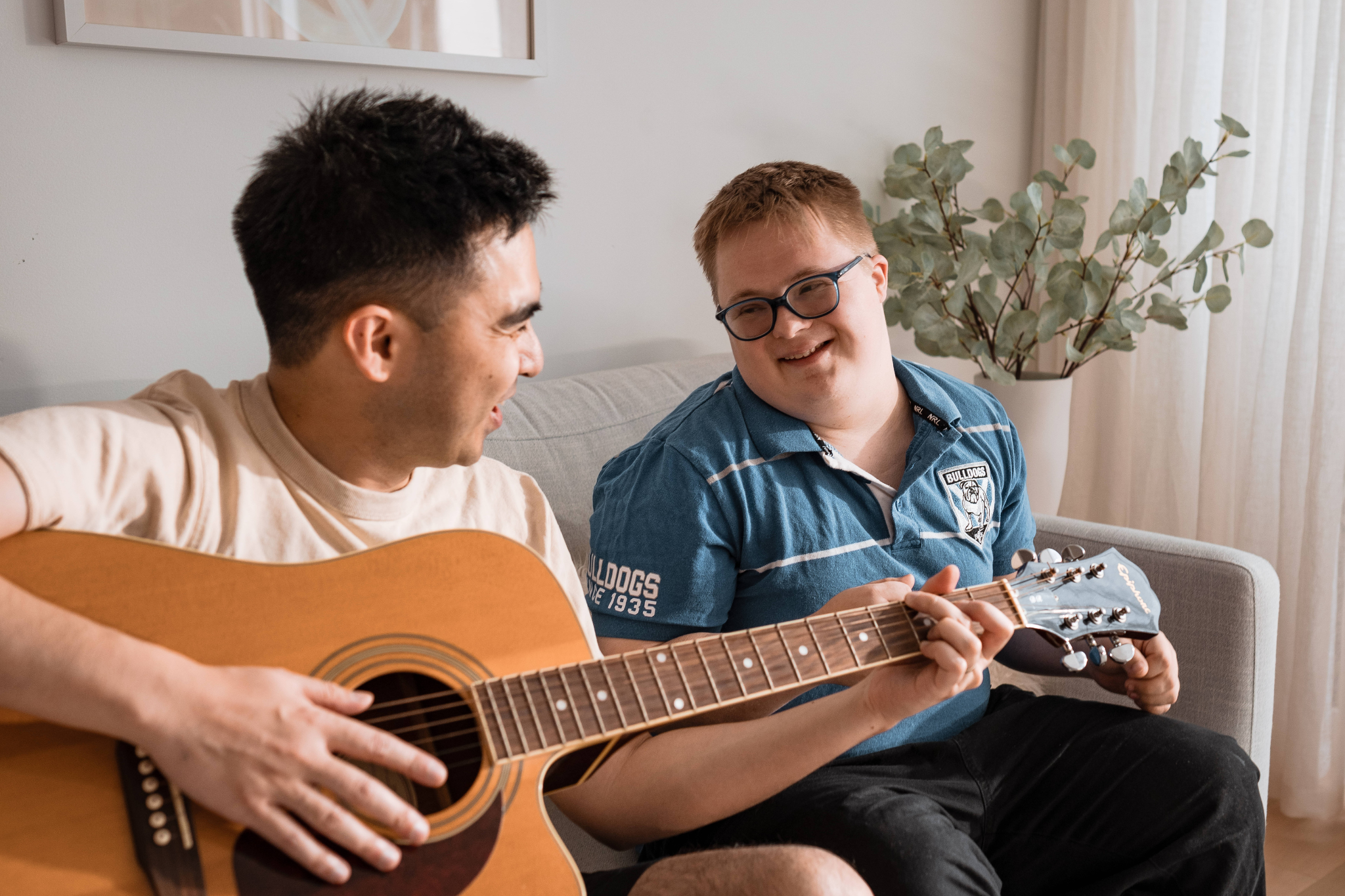
Some people need a hand with a few tasks around the house. Others rely on support for showering, dressing, medication and the rest of the daily routine. Either way, you deserve support you can rely on, from someone you genuinely enjoy having around.
- Support workers with Certificate III and IV qualifications in disability and individual support
- Help across cleaning, meal preparation, personal care, continence support, transfers and medication administration
- A matching process built around your routine, preferences and the way you like things done
- Registered for agency managed, plan managed and self managed plans
- All support workers hold an NDIS Worker Screening Check
- Rates below the NDIS price limits, so your funding goes further
 Jenna Leo
For support coordinators, OTs and physios
We support participants with autism, intellectual disability, and physical and neurological disabilities. From light domestic help through to personal care for participants with higher needs. We work best with participants who need hands-on daily support and don't require behaviour support plans or restrictive practices, and our workers can follow therapy plans and home programs while keeping communication open with the care team.
To make a referral or talk through whether we're the right fit, contact our team at hello@likefamily.com.au.
Frequently asked questions
What does ADL stand for in NDIS?
Assistance with Daily Life. A Core Support that funds help with personal care, household tasks and community access connected to your disability.
Is ADL a one-off or ongoing support?
Ongoing. It's designed for regular, continuing help with everyday tasks, unlike Capacity Building, which is aimed at building skills over time.
Will the 2026 budget changes reduce my ADL funding?
Not as part of the initial changes. The October 2026 reductions target Social and Community Participation and Capacity Building daily activity budgets specifically. Daily living and personal care supports are excluded.
Is Like Family an NDIS-registered provider?
Yes, and we work with agency managed, plan managed and self managed participants.